During Churches Unlocked (June 3-10) we’ll be celebrating the Celtic Saints, including St Columba whose memory is alive in Splott in statue and stained glass. They have much to teach and inspire us! Here’s a little taster as we explore the Columba connection in Splott!
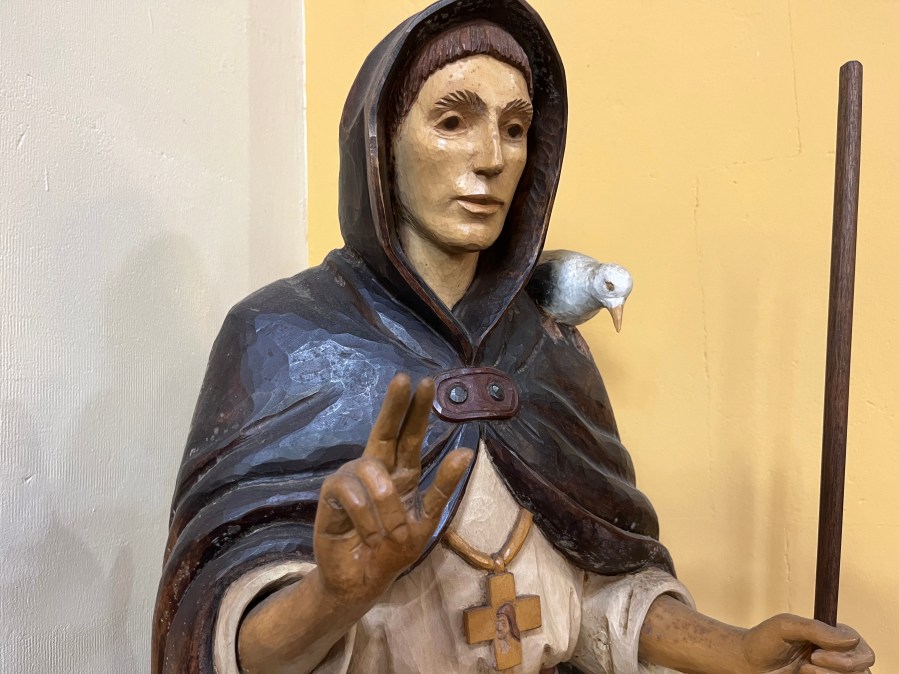
Here, he stands in a coracle, looking out to sea perhaps, in his favoured mode of transport, like many of the Celtic Saints as they moved across seas and waterways. It says much about the adventurous and trusting way in which they pushed out from shore into unknown territory, not knowing what lay ahead but believing that God would guide them to the place that they should go.
St Columba, whose memory is alive in St Saviour’s Church, carved out in a statue and illuminated in stained glass, was born in the year 521 in what is now County Donegal in Ireland. He was ordained a deacon at around the age of 20. Having completed his training at the monastic school of Movilla, in County Down, one of Ireland’s most important monasteries, he travelled south towards Leinster.
After some time there, he moved to the monastery of Clonard overseen by St Finnian and where he may have experienced something of the traditions of the Welsh Church, for Finnian had been trained in the school of Saint David.
Columba was one of twelve students of Finnian who became known as the Twelve Apostles of Ireland. He became a monk and eventually was ordained priest.
After much activity in Ireland, Columba eventually settled into spending much of his time on the Scottish island of Iona, establishing a monastery there, and from which he evangelised much of Scotland and Northern parts of England. He died on 9 June 597.
Scottish Splott
At the corner of Splott once known as the ‘Cardiff Cottages’ built to house industrial workers, the street names sing with a Scottish lilt. The Bute family left many a mark on the landscape and their Scottish heritage shines through in place names. So, the name of St Columba became embedded in the memory of Splott. Nestled within these Scottish streets was the first church in Splott of the then Church of England, the chapel of St Columba’s School.
As St Columba was growing up in the cradle of Ireland, our own St Cadoc of Flat Holm fame had already reached Scotland first. At about 528, after his father’s death, St Cadoc is said to have built a monastery in Scotland, north-west of Stirling. He stayed for seven years by which time Columba was still a teenager.
Cadoc’s Coracle
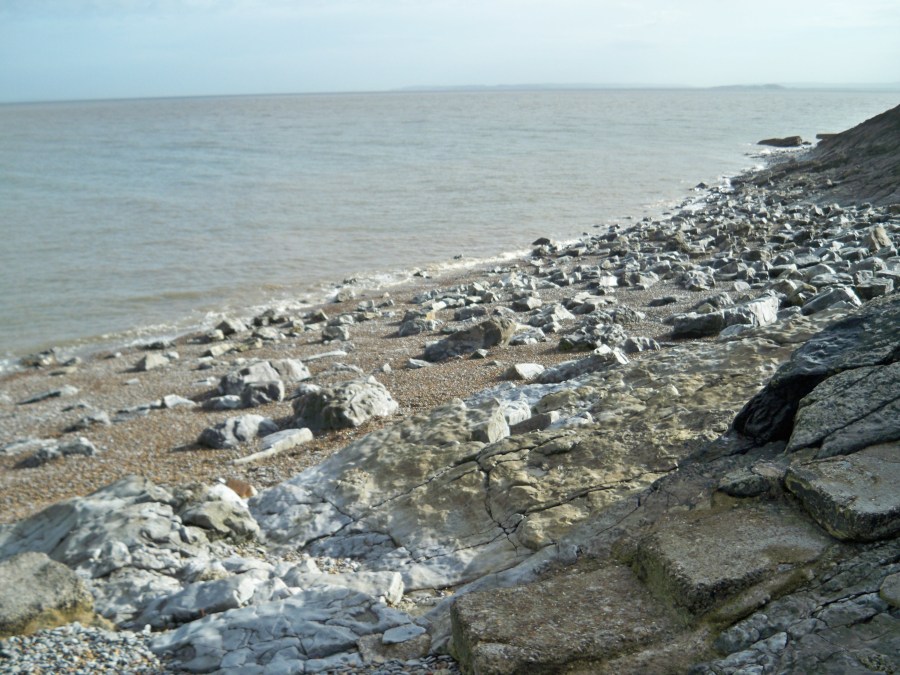
The South Wales born St Cadoc too had coracle adventures of his own, pushing out from the coast of South Wales not far from his settlement at Llancarfan in the Vale of Glamorgan, as he island hopped from Barry Island to Flat Holm to make his Lenten retreat.

Five miles out into the Bristol Channel, it’s where we make pilgrimage from St Mary’s with a regular pilgrimage programme, although we are coracle free! It was on one voyage back to the island to fetch a forgotten prayer book that Cadoc’s companions, Baruc and Gwalches, drowned. St Baruc’s body was washed up on Barry Island. His memory lives on in the name.
A Final Journey
St Brendan (484-577) by far seemed to have the most adventurous journey of all – setting of from the coast of Ireland in search of the Island of Promise. It’s believed that for him this was Newfoundland, and where he received a vision to return home for his final journey.
His final Prayer on the Mountain is a prayer where his experience of crossing seas to far away places express his letting go of all things in order to die and come to Heaven’s shore. This metrical version of his prayer is from our Celtic Pilgrimage Manual, Here in this Place, to accompany our Flat Holm pilgrimages:
O shall I, King of Mysteries,
abandon all for sake of thee?
Give up the land which nurtured me
and set my face towards the sea?

Shall I give up my need of fame,
protection, pow’r and wide acclaim?
No food or drink to bring delight,
no bed to lay my head at night.

O shall I say farewell to all,
my land, my home, all that enthrals?
Pour out my heart, confess my sins,
in streaming tears for love of him?

O shall I kneel upon this shore
my knee prints marking out my prayer?
Abandon all and take the wounds
believing now that I’ll be found?

Shall I push out across the wide
expanse of sea and ocean tide?
Shall I let go upon the waves
and trust alone in him who saves?

Across the sparkling seas and storms,
O, King of Heav’n, O Christ my Lord,
you bid me come to Heaven’s shore.
I choose you now, for evermore.
Saints and Beasts
Stories of the Celtic Saints often feature animals, expressing the close bond between them and all that God has created. Whilst the legendary tales may be difficult to fathom with our modern minds, the stories can captivate us and, if we dig deeper, reveal something of the character of the saint and their intricate relationship of everything that exists.
So, there was St Colman of Dromore, a contemporary of Columba who, in his solitude and poverty, learned much from three strange companions. A cockerel woke him for prayer through the night. A mouse nibbled at his clothes to wake him each morning, and a fly walked down the page to mark the lines of Scripture Colman was reading.
When they eventually died, he shared his sorrow with St Columba, who replied in jest and wisdom, “To you, the cockerel, the mouse and the fly were as precious as the richest jewels, so rejoice that God has taken these jewels to himself.”
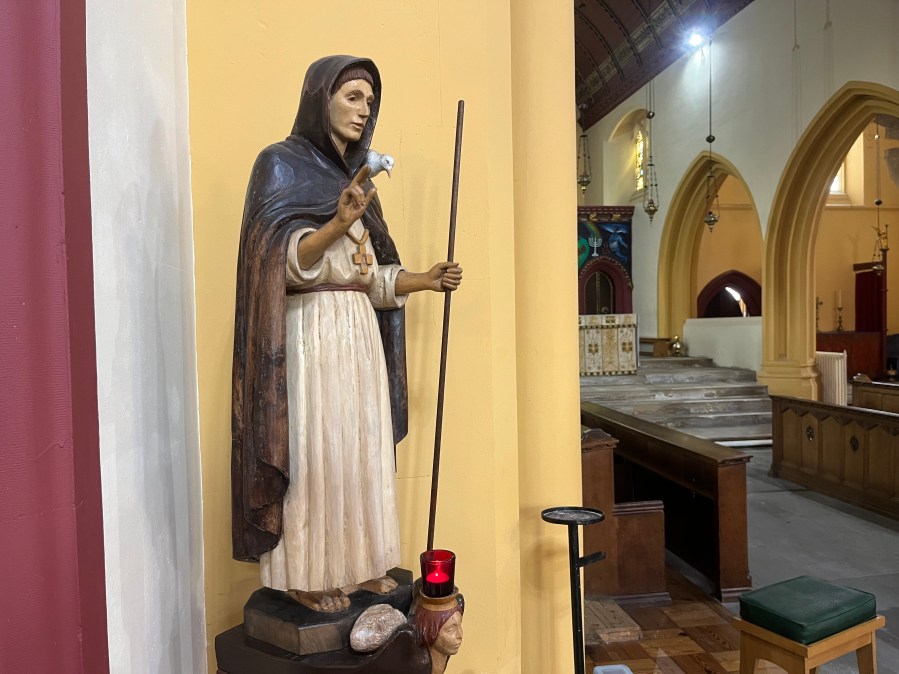
The life of St Cadoc is no different and features animals as big as boars and tiny as mice. It was a boar which marked the place for Cadoc to build his oratory at Llancarfan, a mouse which led him to a hidden room full of grain during a famine, and stags which were tamed to pull timber for building so that his followers weren’t deterred from their study of Scripture.
Emerging from these stories is an ancient secret waiting to be discovered in the way we relate to the natural world. They are, perhaps, a call to pause and look at the beautiful miracle of God’s Creation, to see the details we miss so easily in our busy and distracted lives, to marvel in all that God has made, and to show it respect as the richest of jewels which belong to God, and over which we have been set as stewards not masters.
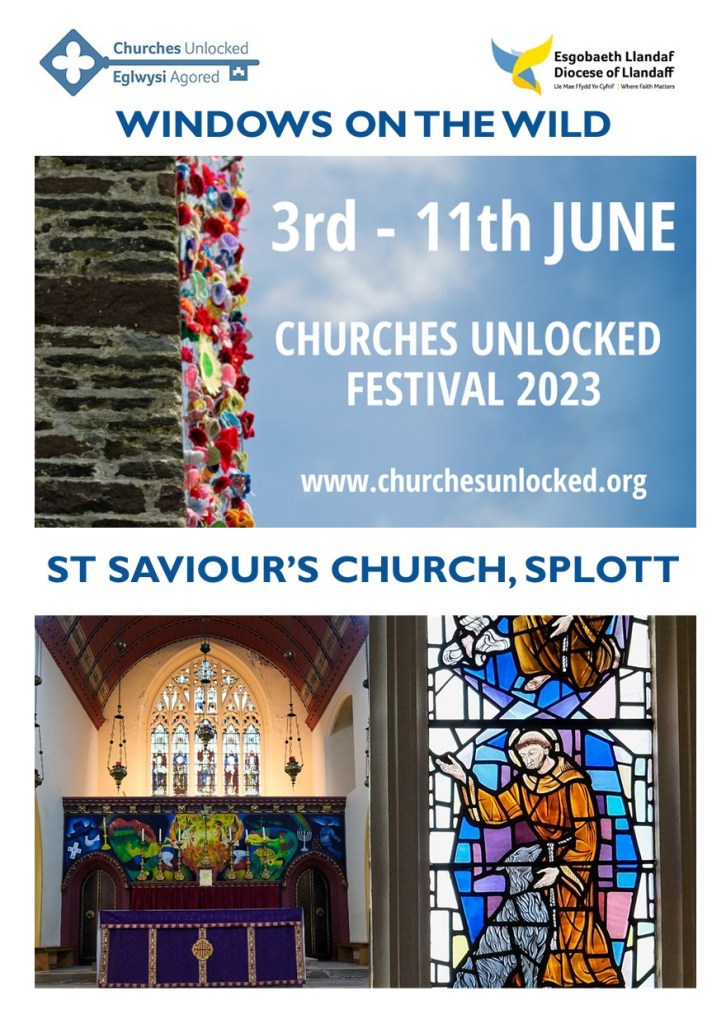
ST COLUMBA AND THE CELTIC SAINTS: Discover more about St Columba and other Celtic Saints closer to home on Saturday 10 June at 2pm at St Saviour’s during the Churches Unlocked festival. There’ll also be an opportunity to get creative and try writing your own prayers in the Celtic tradition. The Session ends with Celtic Night Prayer. More details here
CHURCHES UNLOCKED: You can find out about the Church Unlocked Festival here
FLAT HOLM PILGRIMAGE: To learn more about our Celtic Island pilgrimage programme to Flat Holm, visit our pilgrimage pages
 South Cardiff Ministry Area