Tuesday 30 May, 2023 | Eighth Week in Ordinary Time |Readings: Ecclesiasticus 35:2-15; Psalm 49(50):5-8,14,23; Mark 10:28-31 (You can find these in full on the Universalis website – Click here)
Speaking of his fight against injustice as he led the civil rights movement in the US, Martin Luther King said, “Human progress is neither automatic nor inevitable… Every step toward the goal of justice requires sacrifice, suffering, and struggle; the tireless exertions and passionate concern of dedicated individuals.”
In the gospel reading today, Peter is beginning to count the cost of his discipleship. He and the others have left family and home, a livelihood and security, to follow Jesus. Where he goes, so do they, as they share in his journey from town to town, and from place to place. “What about us?’ he asks Jesus. “We have left everything and followed you.” Jesus does not offer them instant rewards. This exchange follows immediately from the parable of the Rich Man, and Jesus saying that it is easier for a camel to pass through the eye of a needle than for a rich man to enter the Kingdom of Heaven. Peter is recognisably concerned about their future. He wants to know if the cost and sacrifice is worth it and if it can assure them of the promises Jesus makes.
As Martin Luther King counted the cost of the sacrifices he was making, and the struggles he experienced, he knew that it was the means through which the world could be transformed, and how justice would come. Each of us is called to a different way of life, and the sacrifices we make are unique to each one of us. But none of it is in vain. The sacrifices we make in the service of the gospel are signs and expressions of our love of God, and “our passionate concerns” as King called them, as we recall that the word passion has its origins in the Latin word pati, meaning suffer. So, we stand with Martin Luther King, and with Peter and the Apostles before him, and so many others who have struggled for justice and who have proclaimed the gospel of Christ with passion, and pray for strength to make the sacrifice, and faith to bear the pain.
MAKING CONNECTIONS
These posts are part of our endeavour each day to provide a short homily or reflection from the celebration of the Mass of the day. Links are posted on Twitter and Facebook, and you can also sign up for daily emails in your inbox by registering your email below:
MINISTRY AREA MASS
Mass today (Tuesday 30 May, 2023) is celebrated at St Saviour’s Church, Splott at 10am, and at Mary’s Church, Butetown at 7pm | If you would like to send a prayer request then click on the ‘REQUEST PRAYER’ Button. You can discover more about Worship across the Ministry Area on our Worship page
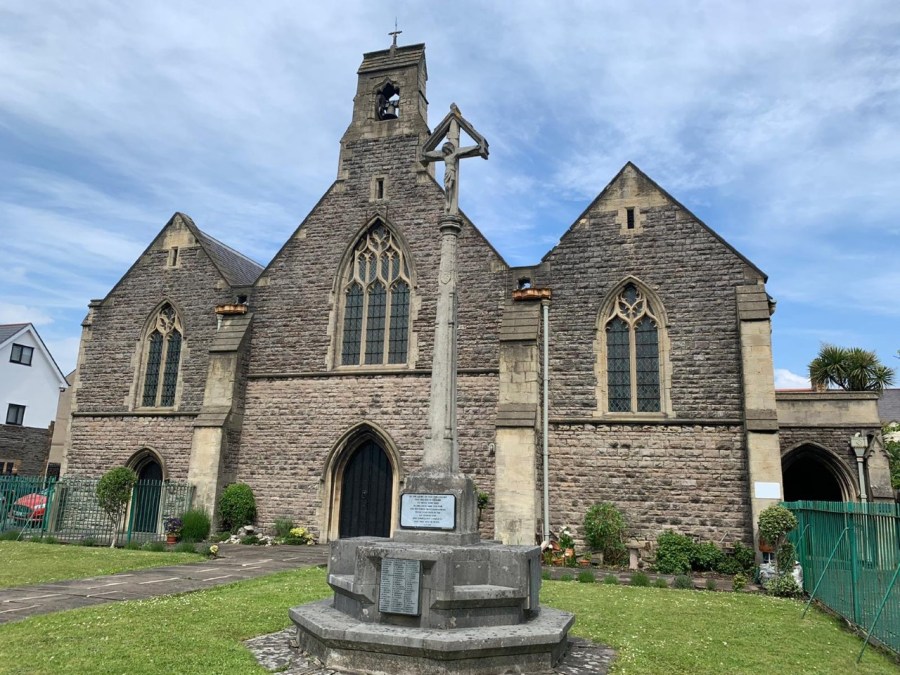
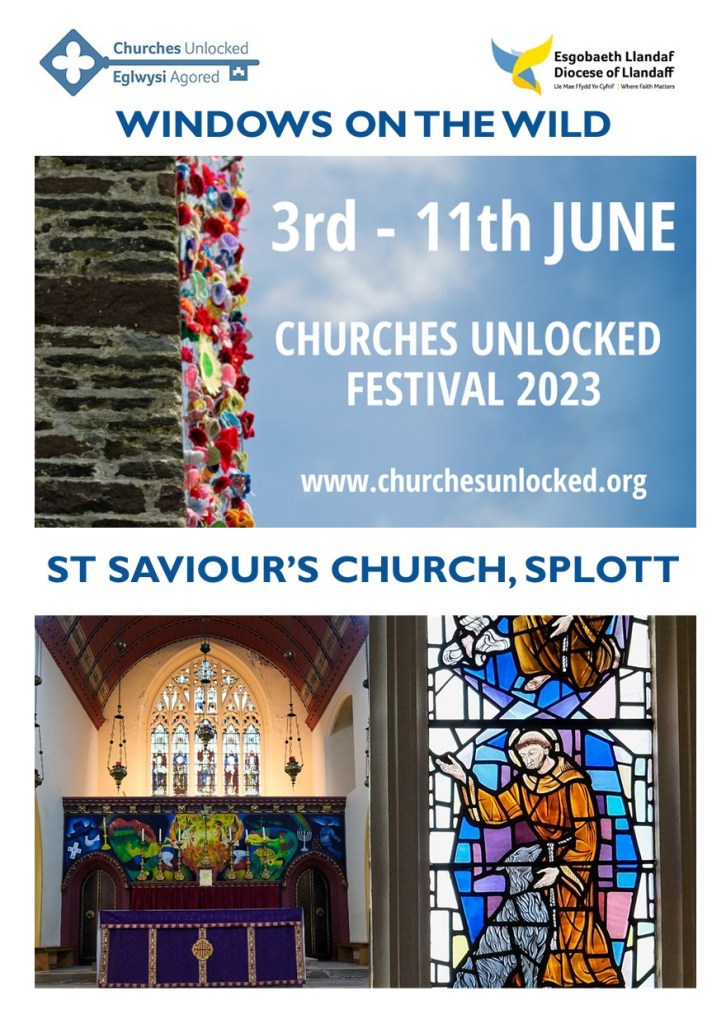
St Saviour’s Church in Splott is taking part in the Churches Unlocked Festival
Yes, the Churches Unlocked Festival is back for its second year with more churches, more history, more fun!
St Saviour’s Church is one of thirty churches across the Dioceses of Llandaff and Monmouth taking part in the festival this year from 3 – 11 June.
Once again, the participating churches are offering walks and talks around the history and heritage of their area, with community events, family fun, music, arts, workshops and many other events.
You can find out more about CHURCHES UNLOCKED at www.churchesunlocked.org but read on to discover our full programme of events here are at St Saviour’s.
Windows on the Wild
CHURCHES UNLOCKED will open up and share our love and care for the natural world
Working with children from Moorland Primary School, we’ll be creating a Herb Garden to provide a living larder for the local community.
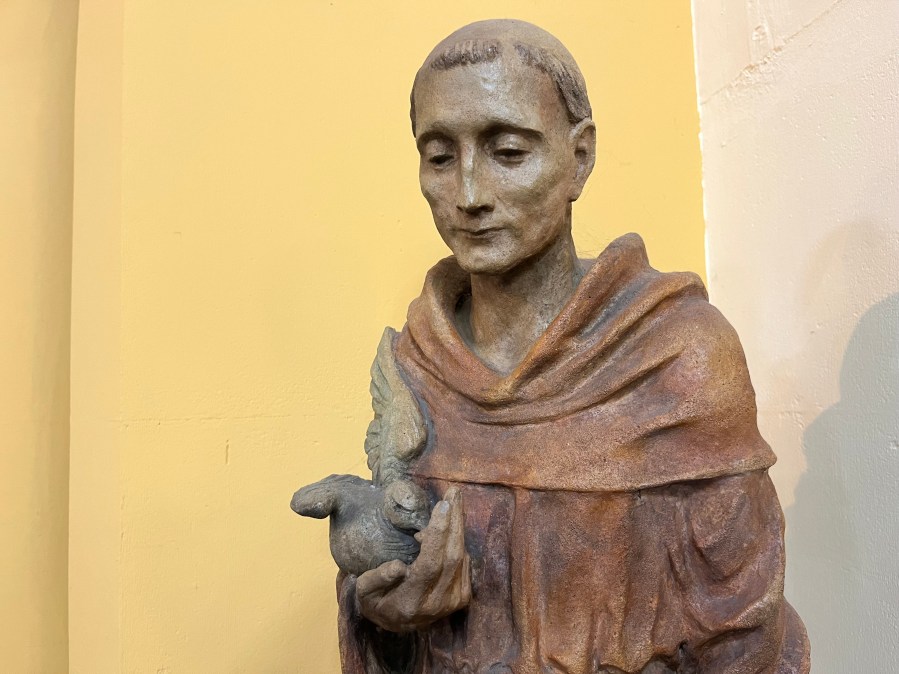
We’re also creating a shrine of St Francis of Assisi in our gardens, and there’ll be lots more gardening activities through the week.
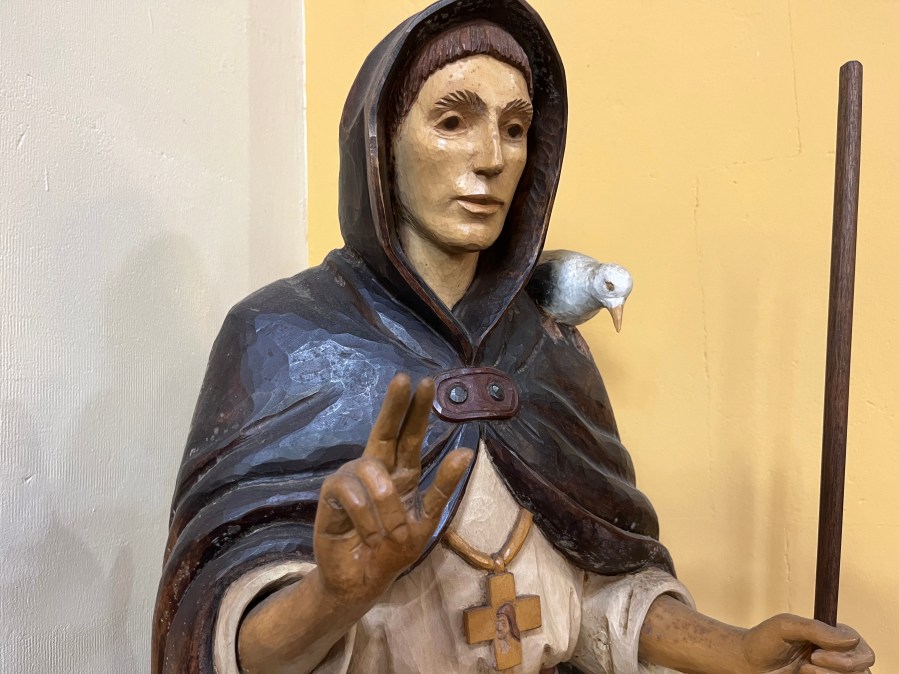
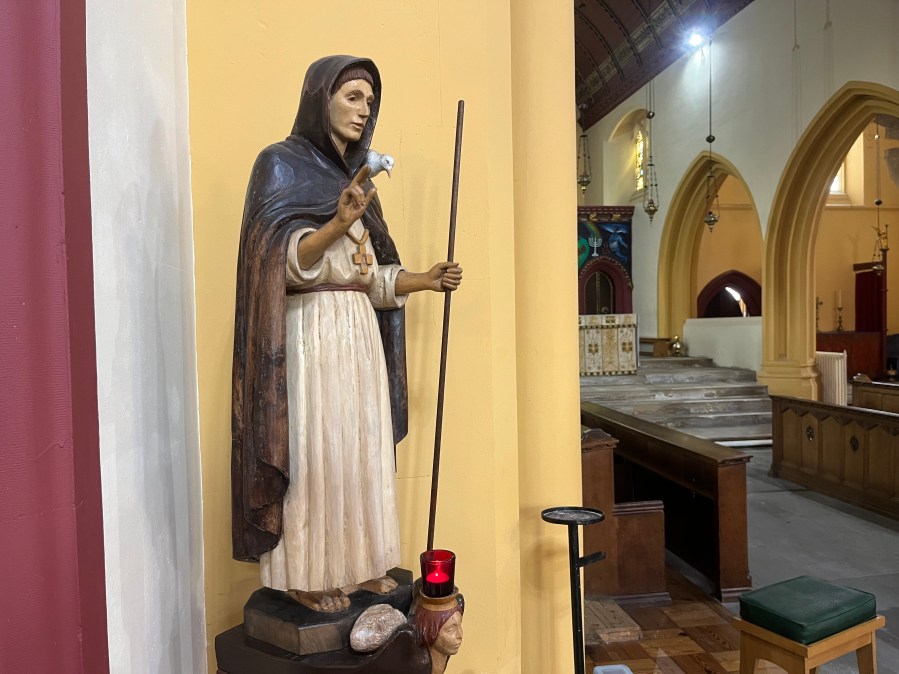
Detail of the statue of St Francis inside St Saviour’s. Outside, we’ll be creating a small garden shrine with a stone image.
Saturday 3 June
10am: Open Doors
Our doors are wide open for you to discover St Saviour’s Church. Coffee, tea and cold drinks available with an opportunity to explore the church.
There is a Guided Tour of St Saviour’s Church at 10.30am.
Also, available all day, is our self guided QR Code trail. Church closes at 4pm
Sunday 4 June
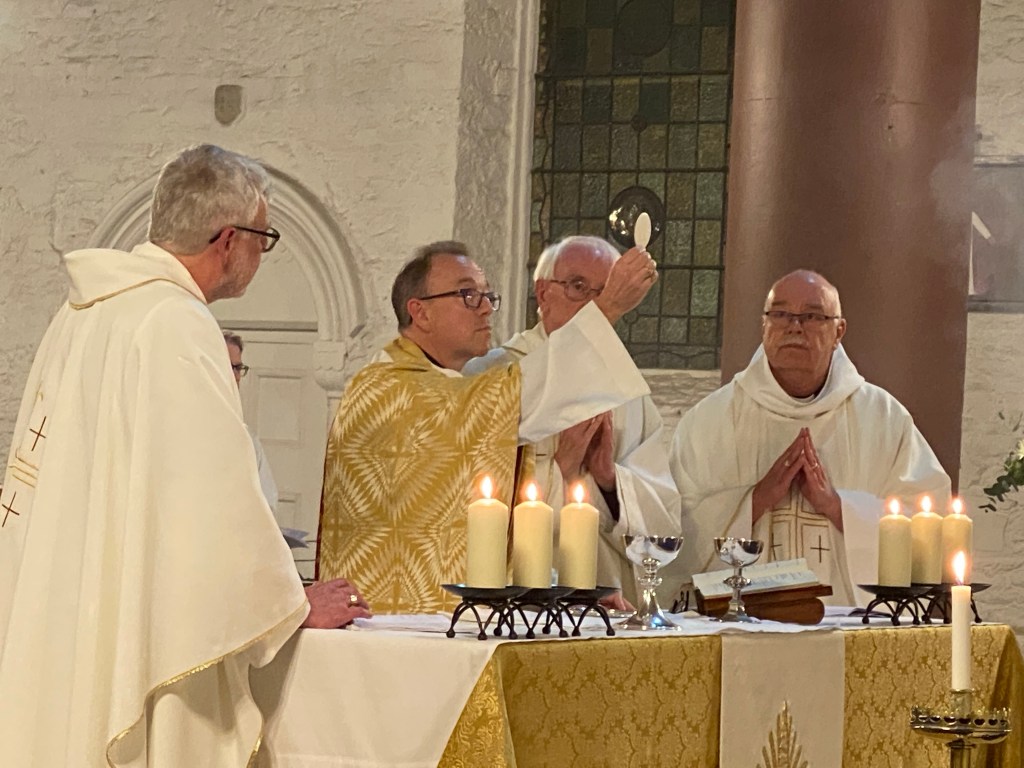
9.30 am:Festival Celebration of Mass
2.00pm: ‘Between the Brush strokes”
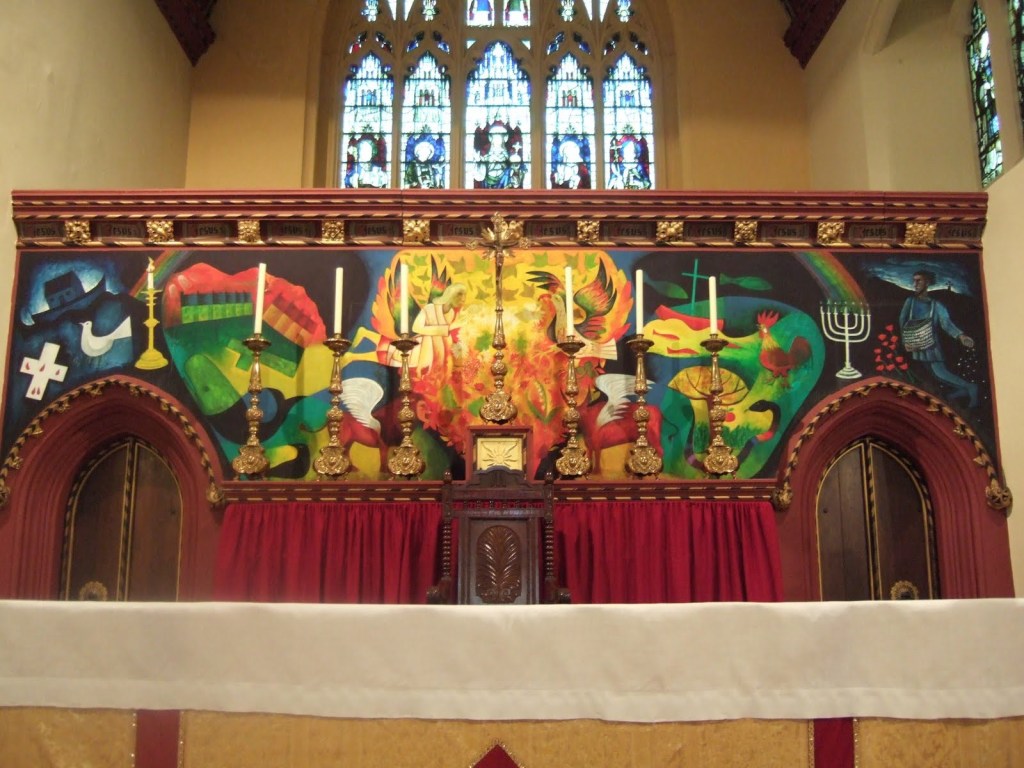
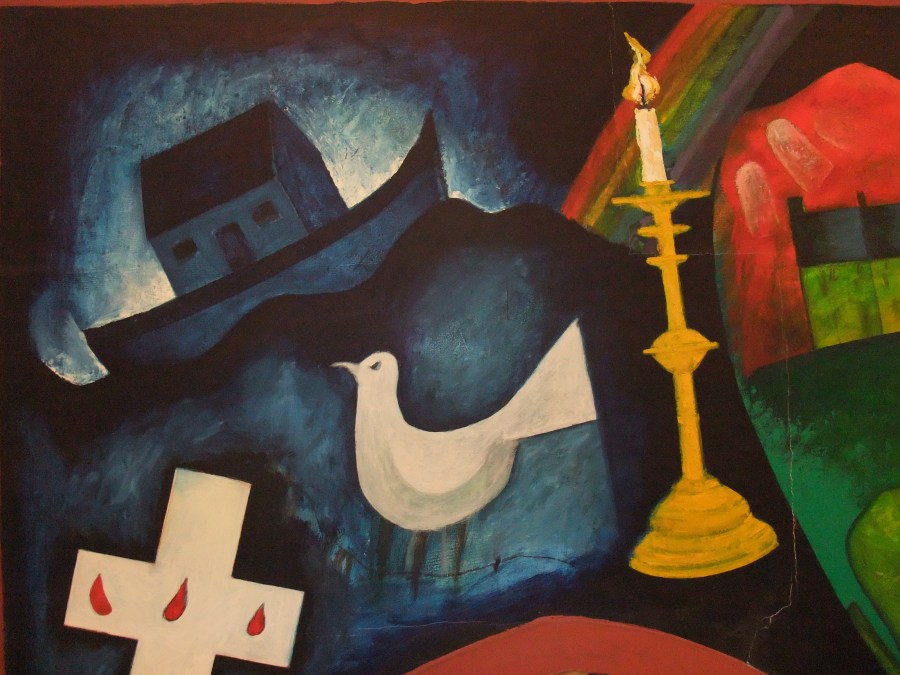
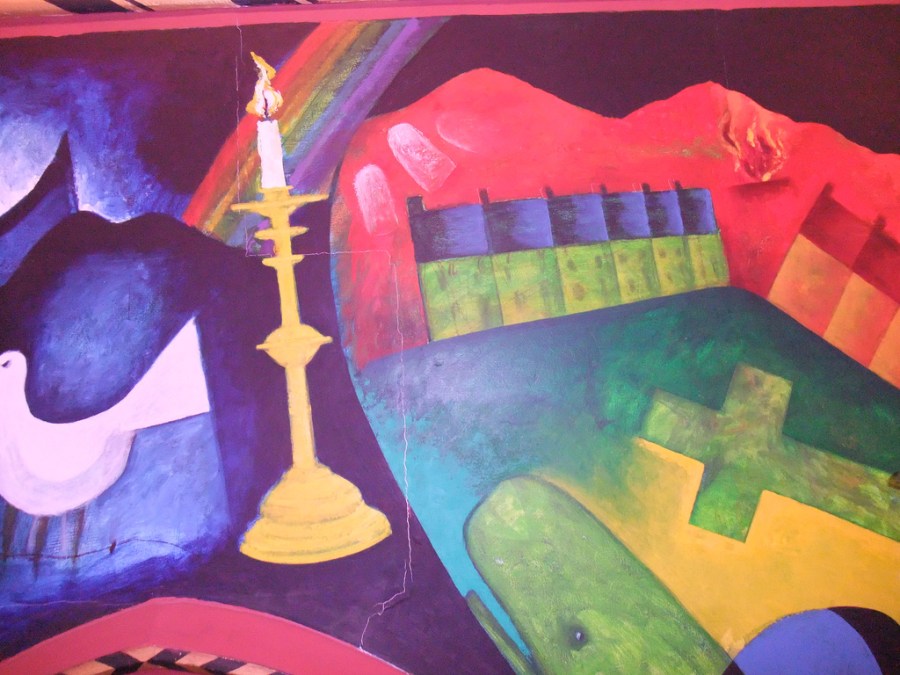
‘I see my paintings as poems, as prayers if you like,’ said the Welsh artist, Tony Goble. Join us as we explore the brush strokes of Goble’s colourful reredos at St Saviour’s.
This is a time to get up close and explore the reredos and find the meaning in the brush strokes, the poems and prayers in his painting.
Detail of the Reredos by Tony Goble‘I see my paintings as poems, as prayers if you like”- Tony Goble
Tuesday 6 June
10.00 am: Mass
10.30am: Coffee Morning Chatter
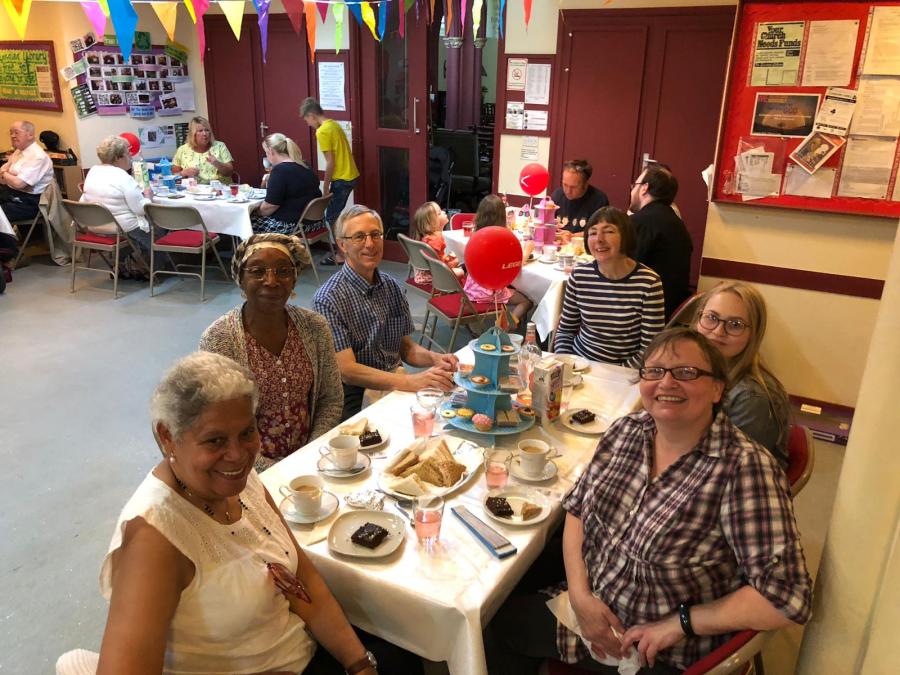
Enjoy a cuppa and a slice of cake, and share and explore old photographs of St Saviour’s Church and Splott – a wonderful time to reminisce, share stories or discover things you never knew!
We will also be recording some of the conversations in order to archive some of the stories shared.
There’ll also be an opportunity for some gardening, if you’re up for it!
Ends at 12 noon.
Wednesday 7 – Thursday 8 June
These days are set aside for some exciting activities with Moorland Primary School.
We’ll be exploring the church, celebrating our heritage, and creating a Herb Garden for the whole community.
Saturday 10 June
10.00am The Great Big Open Day
The church is open from 10am until 4pm for you to explore.
Tea, Coffee and cold drinks available throughout the day.
Follow our self guided QR Code Trail using your iPhone and discover the treasures of St Saviour’s!
11am: Window Watch Tour
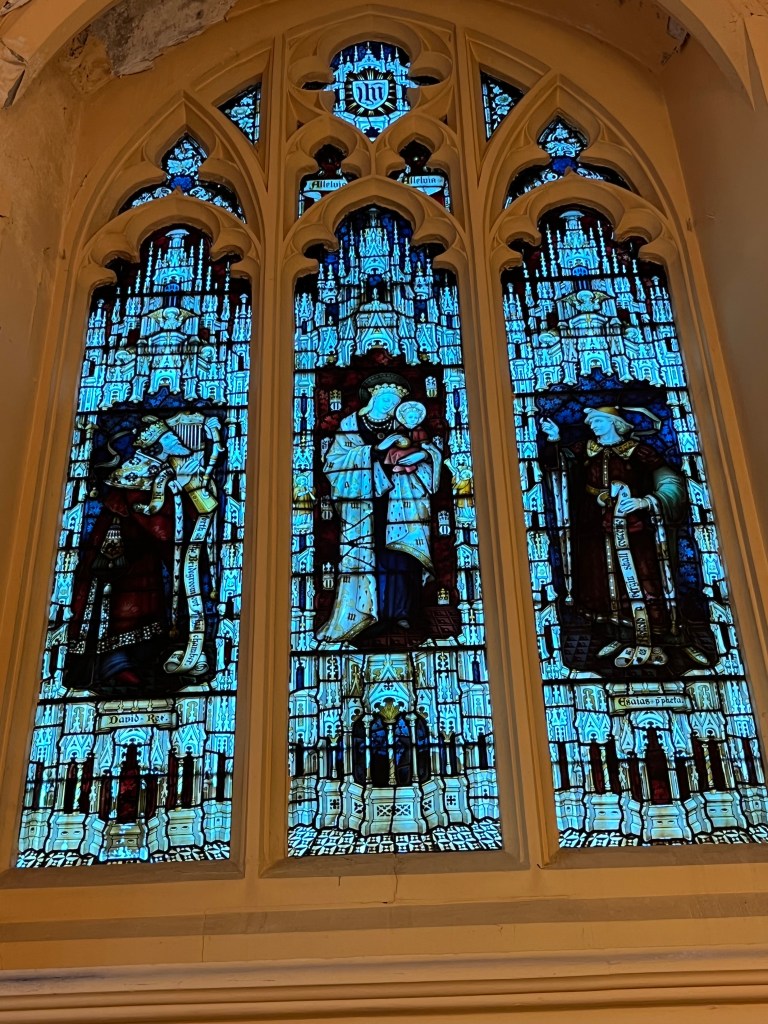
Grab a Cuppa and join us on a free tour unlocking the treasures of St Saviour’s, including the range of beautiful stained glass windows.
Check out the progress we’ve made in the gardens, and at our St Francis of Assisi shrine, and see some of the local school children’s work through the week.
12 noon: Mass
2pm: A Celtic World: Columba and the Celtic Saints
This free session opens up the world of Celtic Christian Spirituality and how it is connected to the natural world, drawing us deeper into caring for Creation and the stuff of everyday life.
Discover more about St Columba (a statue and window of whom you’ll find in St Saviour’s—there was once a church of St Columba nearby) and other Celtic Saints closer to home, including St Cadoc and his connection to Flat Holm in the Bristol Channel, and modern-day pilgrimage there.
There’ll be an opportunity to get creative and try writing your own prayers in the Celtic tradition.
Sunday 11 June
9.30am Festival Mass
10.30: Join us for Brunch! Why not? All are welcome!
The Church is open for you to enjoy, explore and discover until 4pm.
Welcome to a new edition of our newsletter, featuring news and updates from the churches of South Cardiff Ministry Area.
Read about what happened at OMG! our new youth event, get ready for CHURCHESUNLOCKED and REFUGEE WEEK and prepare for PENTECOST on Sunday!
Why not COME ALONG AND SING at St Paul’s Church or get ready for our JUSTICE CAFE in June!
There’s so much going on! Why not get involved?!
Pentecost Sunday
On Sunday, the Easter Season reaches its climax and fulfilment as we celebrate the Feast of Pentecost and the outpouring of the Holy Spirit as Jesus promised. Masses are celebrated across the Ministry Area at the usual Sunday times.
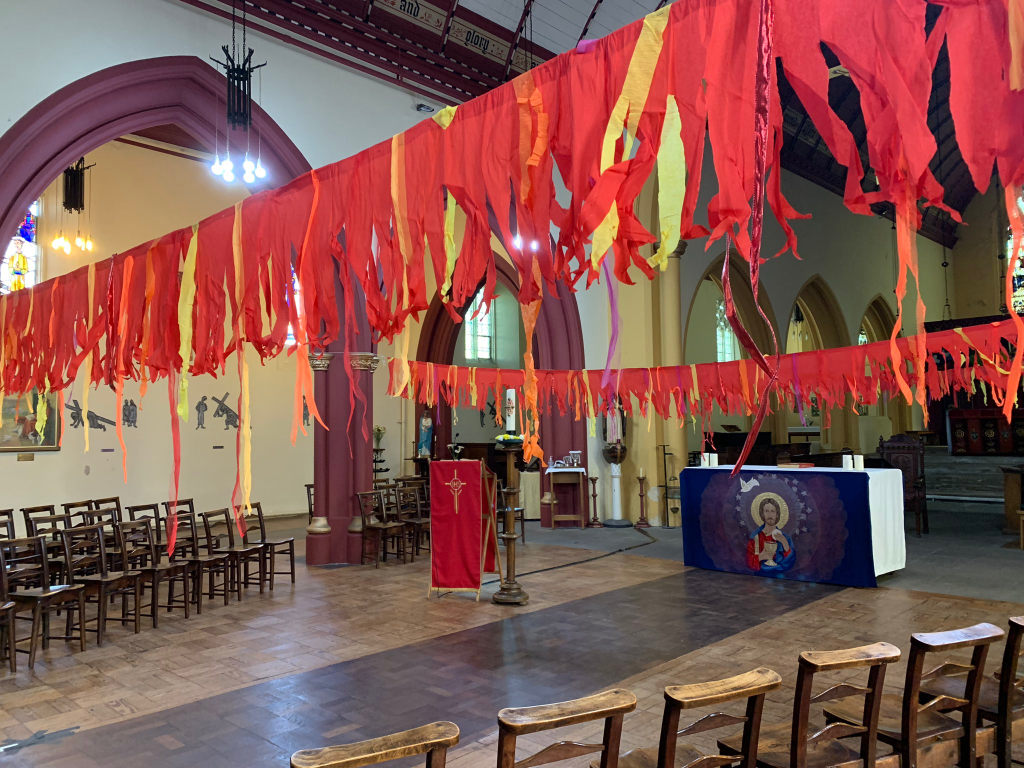
Lots of people love to wear red to Mass on this day, so why not do the same and bring a bit of colour as a Pentecost people!
If you’d like to find out more about the seasons and festivals of the Church’s year, check out our Time Passes pages which also features pictures and, infographics
St Saviour’s loves to get creative for Pentecost!
Churches Unlocked
St Saviour’s is taking part in the Churches Unlocked Festival alongside dozens of other churches, and it all kicks off next Saturday!
You can find out more about all that’s on offer both at St Saviour’s and across the diocese of Llandaff and Monmouth at https://www.churchesunlocked.org/ and you can check out what St Saviour’s has on offer here
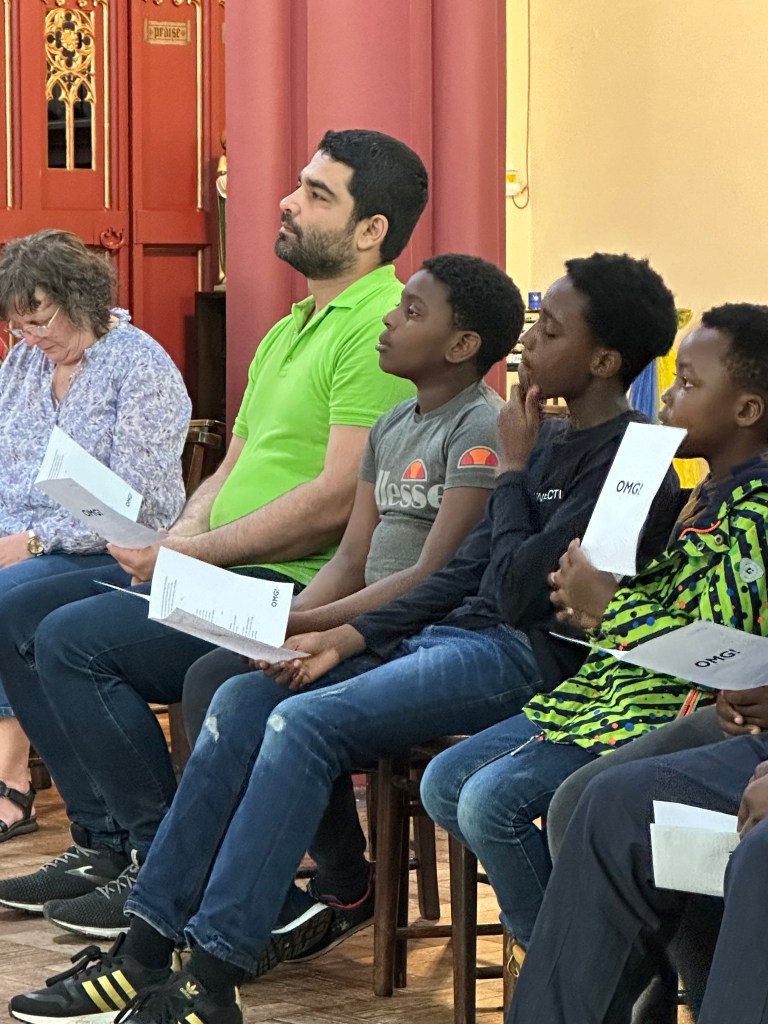
OMG! We had a great time!
Last Sunday, we celebrated our first OMG! event for young people. We gathered for pizza and ended with prayer! You can find out what happened here!
Coracles and Creation
The Churches Unlocked Festival is almost here and St Saviour’s have a full programme of events (June 3-11).
Amongst much activity, we’ll be celebrating the Celtic Saints, like Columba here who features in a beautiful statue and stained glass windows. Discover more here:
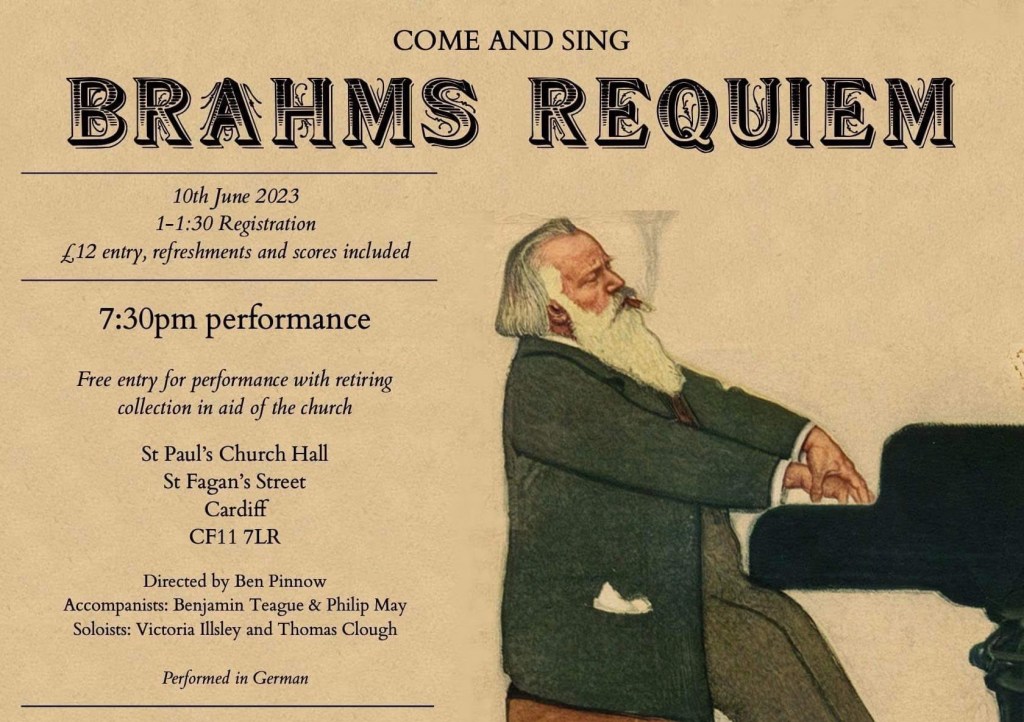
Come and Sing
Come and sing Brahms Requiem at St Paul’s Church, Grangetown on 10 June 2023. Registration takes place between 1 and 1.30pm with a £12 entry – refreshments provided.
Then, there will be a free performance for all at 730pm with a retiring collection in aid of St Paul’s Church
Justice Cafe
Check out news of our first Justice Cafe with a free lunch scheduled for Tuesday June 20 at 12.30 pm, and it’s all part of our Refugee Weekprogramme
It’s time to get around the table and explore issue of injustice in our world, local and global. It’s time to make a difference.
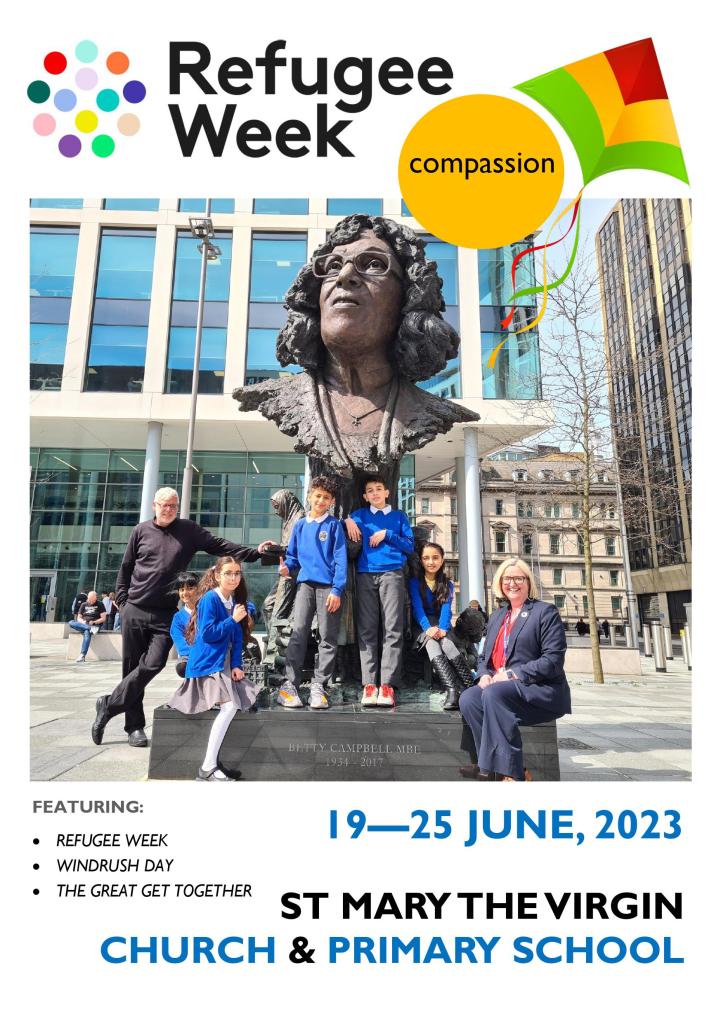
Refugee Week
Refugee Week is the world’s largest arts and culture festival celebrating the contributions, creativity and resilience of people seeking sanctuary
We’re all set for Refugee Week from June 19th – 26th with a full week of activities as we work alongside St Mary the Virgin Church in Wales Primary School. Find out more here:
Pilgrim People
Yay, it’s the pilgrimage season, and there are many opportunities to make pilgrimage from South Cardiff this year, near and far. Read on to find out more!
Daily Reflections
On most days, we publish a quick read based on the readings of the Mass of the Day.
You can find these on the News section of our website, where you can also sign up to receive all our posts delivered to your Inbox. Discover more here
Worship for the week ahead
Prayer and worship is at the heart of our life together, and each day we gather for Mass across the Ministry area.
SUNDAY 28
PENTECOST

BUTETOWN:
S MARY THE VIRGIN
1100hrs	Solemn Mass

GRANGETOWN:
S PAUL THE APOSTLE
0800hrs	Said Eucharist
1030hrs	Sung Eucharist

SS DYFRIG & SAMSON
0915hrs	Solemn Mass

SPLOTT:
S SAVIOUR
0930hrs	 Sung Mass

MONDAY 29
Mary, Mother of God
10am	Mass (S Mary’s)
7pm	Mass (Ss Dyfrig and Samson)

TUESDAY 30
of Ordinary Time
10.00am	Mass at (St Saviour’s)
7.00pm 	Mass (S Mary’s)

WEDNESDAY 31
Visitation of the Blessed Virgin Mary
10.00am	Holy Eucharist (S Paul’s)
11.00am	Mass (St Mary’s)

THURSDAY 1
Our Lord Jesus Christ the Eternal High Priest
9.30am  Mass (Ss Dyfrig and Samson)
10am    Mass (St Mary's)
5.45pm  Mass (S Saviour’s)

FRIDAY 2
of Ordinary Time
10.00am	Mass (S Mary’s)

SATURDAY 3
Saints Charles Lwanga and his Companions
11.00am	Morning Prayer and Rosary
11.30am	Mass (S Mary’s)
12 noon	Sacrament of Reconciliation (Confession)
During Refugee Week, you can enjoy a free lunch at St Mary’s and get to grips with justice! Read on to discover more about our first ever Justice Cafe!
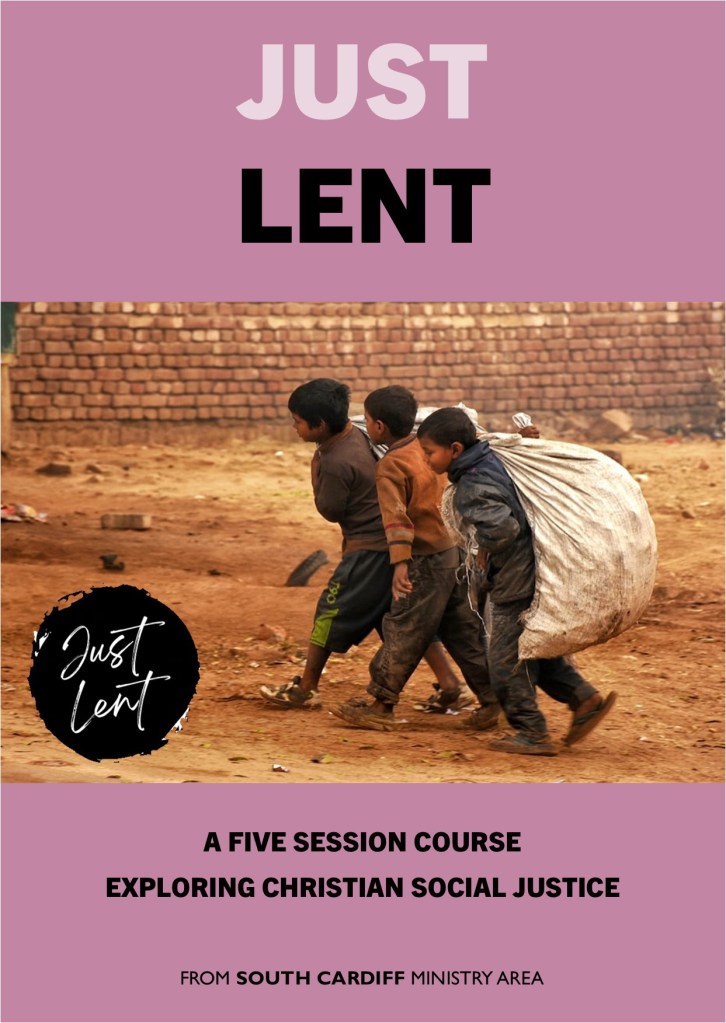
As the Easter Season comes to an end on Sunday with the Feast of Pentecost, the beginning of Lent seems so far back! Then we had embarked upon a Just Lent, exploring issues of social justice, and our response to injustice around the world and in our own communities.
At our Lent course, each week we explored a different area of social justice, from poverty to homelessness, from care of the environment to war and peace. We were able to measure in some way our present response, and explore how we can further strengthen what we can do. (You can look back at our Just Lent page here)
At the end of the five week course, it was suggested we establish a Justice Team to ensure that our observations are authentic and our response effective.
Our Just Lent course was just one of a series of resources and activities created for Lent 2023. You can check out more with the links below.
As we prepare for Refugee Week (June 19-25, 2023), we have scheduled our first JUSTICE CAFE on Tuesday 20 June at 1230pm at St Mary’s Church.
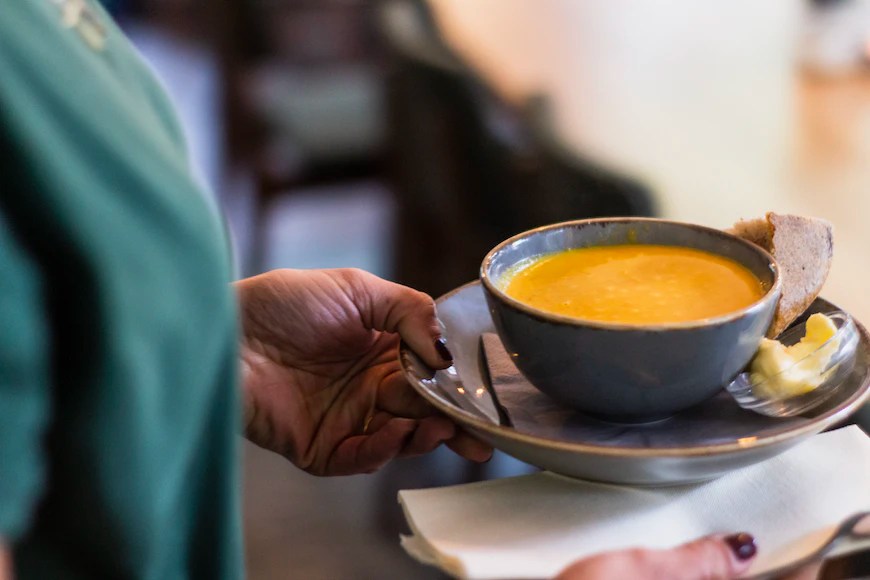
Anyone can join us for a free soup and salad lunch (or bring your own lunch, if you prefer – tea, coffee and soft drinks also provided. The soup will be suitable for vegans).
During lunch, we can share issues of concern and share with a wider audience some of the ways in which we are working with others in our community, and look for ways of working together to address issues, local and further afield.
Working with St Mary’s School, we have a full programme of events
Hopefully, from a bowl of soup, we will gain momentum to hold more Justice Cafes around the Ministry Area, and build relationships so that we can make a difference in the world.
Get in touch if you would like to find out more! You don’t have to book to attend but it would really help us with catering planning if you can let us know!
You can find out more about how we are celebrating Refugee Week with St Mary’s Primary School here.
Saturday 27 May, 2023 | Seventh Week of Easter |Readings: Acts 28:16-20,30-31; Psalm 10(11):4-5,7; John 21:20-25 (You can find these in full on the Universalis website – Click here)
In 2022, Penguin Publishers asked their readers to tell them about their favourite classic books, and they created a list of 100 must read classics featuring the likes of Charles Dickens and Jane Austen, Charlotte Bronte and Thomas Hardy, to name just a few. Mark Twain, the author of Huckleberry Finn which was published in 1884, also featured on the list at number 31, although of Classic novels, he once wrote, ’Classic – a book which people praise and don’t read.” Perhaps this observation applies to many of us!
As the gospel of John comes to an end in today’s gospel reading, we have what appears to be a personal postscript from the gospel writer. He offers a personal confirmation to all the things we have read for he himself had witnessed them and written them down. He then goes on to say that the gospel account is by no means exclusive. “There were many other things that Jesus did,” he wrote. “If all were written down, the world itself, I suppose, would not hold all the books that would have to be written.”
The first-hand witness accounts of all that Jesus did and said are preserved and presented to us in the New Testament so that we, too, can experience a contemporary encounter with Christ. Each gospel offers a different perspective for a different audience, and each contributes to the other as, through the reading of Sacred Scripture, we seek to know and love God more and more. Since those early days of the life of the Church, so many theological books have been written and words shared as we seek to deepen our understanding. But all of those books and each of those words are measured by Holy Scripture, to which we constantly turn as something which we praise but also read and take to heart.
MAKING CONNECTIONS
These posts are part of our endeavour each day to provide a short homily or reflection from the celebration of the Mass of the day. Links are posted on Twitter and Facebook, and you can also sign up for daily emails in your inbox by registering your email below:
MINISTRY AREA MASS
Mass today (Friday 27 May, 2023) is celebrated at Mary’s Church, Butetown at 11.30am | If you would like to send a prayer request then click on the ‘REQUEST PRAYER’ Button. You can discover more about Worship across the Ministry Area on our Worship page
During Churches Unlocked (June 3-10) we’ll be celebrating the Celtic Saints, including St Columba whose memory is alive in Splott in statue and stained glass. They have much to teach and inspire us! Here’s a little taster as we explore the Columba connection in Splott!
The image of St Columba at St Saviour’s
Here, he stands in a coracle, looking out to sea perhaps, in his favoured mode of transport, like many of the Celtic Saints as they moved across seas and waterways. It says much about the adventurous and trusting way in which they pushed out from shore into unknown territory, not knowing what lay ahead but believing that God would guide them to the place that they should go.
St Columba, whose memory is alive in St Saviour’s Church, carved out in a statue and illuminated in stained glass, was born in the year 521 in what is now County Donegal in Ireland. He was ordained a deacon at around the age of 20. Having completed his training at the monastic school of Movilla, in County Down, one of Ireland’s most important monasteries, he travelled south towards Leinster.
After some time there, he moved to the monastery of Clonard overseen by St Finnian and where he may have experienced something of the traditions of the Welsh Church, for Finnian had been trained in the school of Saint David.
Columba was one of twelve students of Finnian who became known as the Twelve Apostles of Ireland. He became a monk and eventually was ordained priest.
After much activity in Ireland, Columba eventually settled into spending much of his time on the Scottish island of Iona, establishing a monastery there, and from which he evangelised much of Scotland and Northern parts of England. He died on 9 June 597.
Scottish Splott
At the corner of Splott once known as the ‘Cardiff Cottages’ built to house industrial workers, the street names sing with a Scottish lilt. The Bute family left many a mark on the landscape and their Scottish heritage shines through in place names. So, the name of St Columba became embedded in the memory of Splott. Nestled within these Scottish streets was the first church in Splott of the then Church of England, the chapel of St Columba’s School.
As St Columba was growing up in the cradle of Ireland, our own St Cadoc of Flat Holm fame had already reached Scotland first. At about 528, after his father’s death, St Cadoc is said to have built a monastery in Scotland, north-west of Stirling. He stayed for seven years by which time Columba was still a teenager.
Cadoc’s Coracle
The South Wales born St Cadoc too had coracle adventures of his own, pushing out from the coast of South Wales not far from his settlement at Llancarfan in the Vale of Glamorgan, as he island hopped from Barry Island to Flat Holm to make his Lenten retreat.
The island of Flat Holm
Five miles out into the Bristol Channel, it’s where we make pilgrimage from St Mary’s with a regular pilgrimage programme, although we are coracle free! It was on one voyage back to the island to fetch a forgotten prayer book that Cadoc’s companions, Baruc and Gwalches, drowned. St Baruc’s body was washed up on Barry Island. His memory lives on in the name.
A Final Journey
St Brendan (484-577) by far seemed to have the most adventurous journey of all – setting of from the coast of Ireland in search of the Island of Promise. It’s believed that for him this was Newfoundland, and where he received a vision to return home for his final journey.
His final Prayer on the Mountain is a prayer where his experience of crossing seas to far away places express his letting go of all things in order to die and come to Heaven’s shore. This metrical version of his prayer is from our Celtic Pilgrimage Manual, Here in this Place, to accompany our Flat Holm pilgrimages:
O shall I, King of Mysteries,
abandon all for sake of thee?
Give up the land which nurtured me
and set my face towards the sea?

Shall I give up my need of fame,
protection, pow’r and wide acclaim?
No food or drink to bring delight,
no bed to lay my head at night.

O shall I say farewell to all,
my land, my home, all that enthrals?
Pour out my heart, confess my sins,
in streaming tears for love of him?

O shall I kneel upon this shore
my knee prints marking out my prayer?
Abandon all and take the wounds
believing now that I’ll be found?

Shall I push out across the wide
expanse of sea and ocean tide?
Shall I let go upon the waves
and trust alone in him who saves?

Across the sparkling seas and storms,
O, King of Heav’n, O Christ my Lord,
you bid me come to Heaven’s shore.
I choose you now, for evermore.
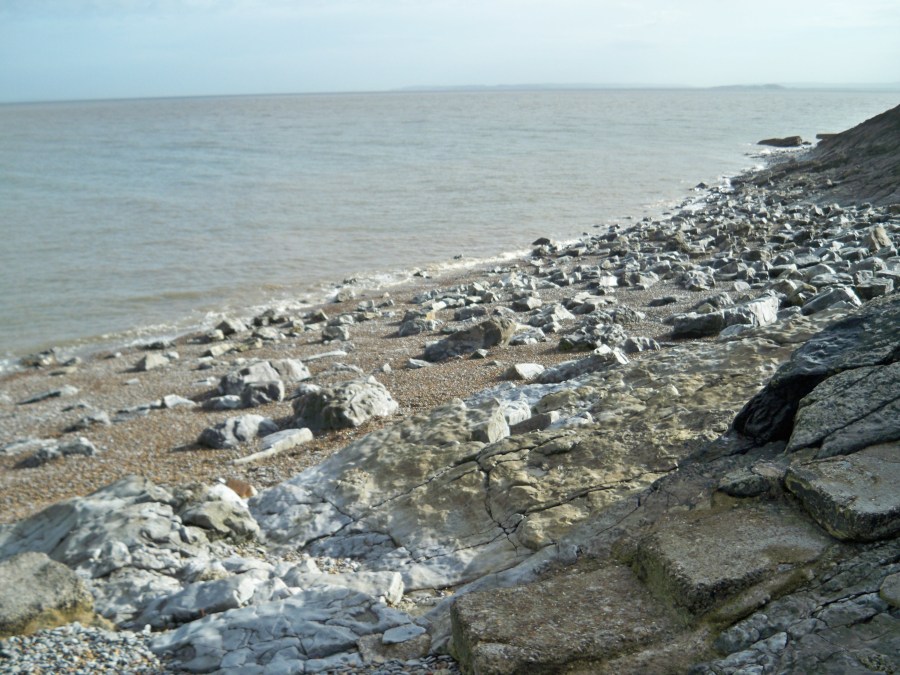
From the beach at Flat Holm
Saints and Beasts
Stories of the Celtic Saints often feature animals, expressing the close bond between them and all that God has created. Whilst the legendary tales may be difficult to fathom with our modern minds, the stories can captivate us and, if we dig deeper, reveal something of the character of the saint and their intricate relationship of everything that exists.
So, there was St Colman of Dromore, a contemporary of Columba who, in his solitude and poverty, learned much from three strange companions. A cockerel woke him for prayer through the night. A mouse nibbled at his clothes to wake him each morning, and a fly walked down the page to mark the lines of Scripture Colman was reading.
When they eventually died, he shared his sorrow with St Columba, who replied in jest and wisdom, “To you, the cockerel, the mouse and the fly were as precious as the richest jewels, so rejoice that God has taken these jewels to himself.”
The coracled figure of Columba
The life of St Cadoc is no different and features animals as big as boars and tiny as mice. It was a boar which marked the place for Cadoc to build his oratory at Llancarfan, a mouse which led him to a hidden room full of grain during a famine, and stags which were tamed to pull timber for building so that his followers weren’t deterred from their study of Scripture.
Emerging from these stories is an ancient secret waiting to be discovered in the way we relate to the natural world. They are, perhaps, a call to pause and look at the beautiful miracle of God’s Creation, to see the details we miss so easily in our busy and distracted lives, to marvel in all that God has made, and to show it respect as the richest of jewels which belong to God, and over which we have been set as stewards not masters.
ST COLUMBA AND THE CELTIC SAINTS: Discover more about St Columba and other Celtic Saints closer to home on Saturday 10 June at 2pm at St Saviour’s during the Churches Unlocked festival. There’ll also be an opportunity to get creative and try writing your own prayers in the Celtic tradition. The Session ends with Celtic Night Prayer. More details here
Friday 25 May, 2023 | Seventh Week of Easter |Readings: Acts 22:30,23:6-11; Psalm 15(16):1-2,5,7-11; John 17:20-26 (You can find these in full on the Universalis website – Click here)
In Dylan Thomas’s play for voices, Under Milk Wood, we are given a glimpse into the lives of the residents of Llareggub, beginning when it is dark as the town is sleeping. A whole day passes by as we linger in the lives of those colourful characters. Towards the end of the day, as the town begins to hush, we listen in on the sunset prayer of the Rev Eli Jenkins as he prays for those who live under Milk Wood. It is a prayer filled with love for the people he serves, who” are not wholly bad or good.” He prays, “And Thou I know wilt be the first to see our best side, not our worst.”
In the gospel reading today, we listen in to the prayer of Jesus which he makes in the darkness of Gethsemane. We glimpse something of the prayer which lies in his heart, as he prays for his disciples and all those who will believe through him. It is a prayer of love and concern, as he prays that they may be one. In that prayer, Jesus is not just praying for those who have followed him to the garden, and who have been chosen for a special role in his ministry. He is praying for us, too – even before we were born.
The Easter season has moved on, and we are now in that special time which occurs between the Feast of the Ascension of the Lord and Pentecost. During this time, the Apostles, Mary and the others gathered together in the upper room to wait for the Promise from on High, the outpouring of the Holy Spirit. They were united in prayer and purpose, obeying the command of Jesus, waiting for his promise to be fulfilled. The Church is a gathered community, united in prayer and purpose. That is what Jesus prayed for on the night before he died. It is a prayer that we can take to heart as we seek closer unity for the church. United in prayer and purpose, may we be shaped by the love of God in Christ.
MAKING CONNECTIONS
These posts are part of our endeavour each day to provide a short homily or reflection from the celebration of the Mass of the day. Links are posted on Twitter and Facebook, and you can also sign up for daily emails in your inbox by registering your email below:
MINISTRY AREA MASS
Mass today (Thursday 25 May, 2023) is celebrated at St Dyfrig and Samson, Grangetown at 9.30am, Mary’s Church, Butetown at 10am, and St Saviour’s Church, Splott at 5.45pm | If you would like to send a prayer request then click on the ‘REQUEST PRAYER’ Button. You can discover more about Worship across the Ministry Area on our Worship page
Our first OMG! event for young people took place on Sunday evening, and we’re already looking forward to the next one!
OMG! is our new event for children and young people
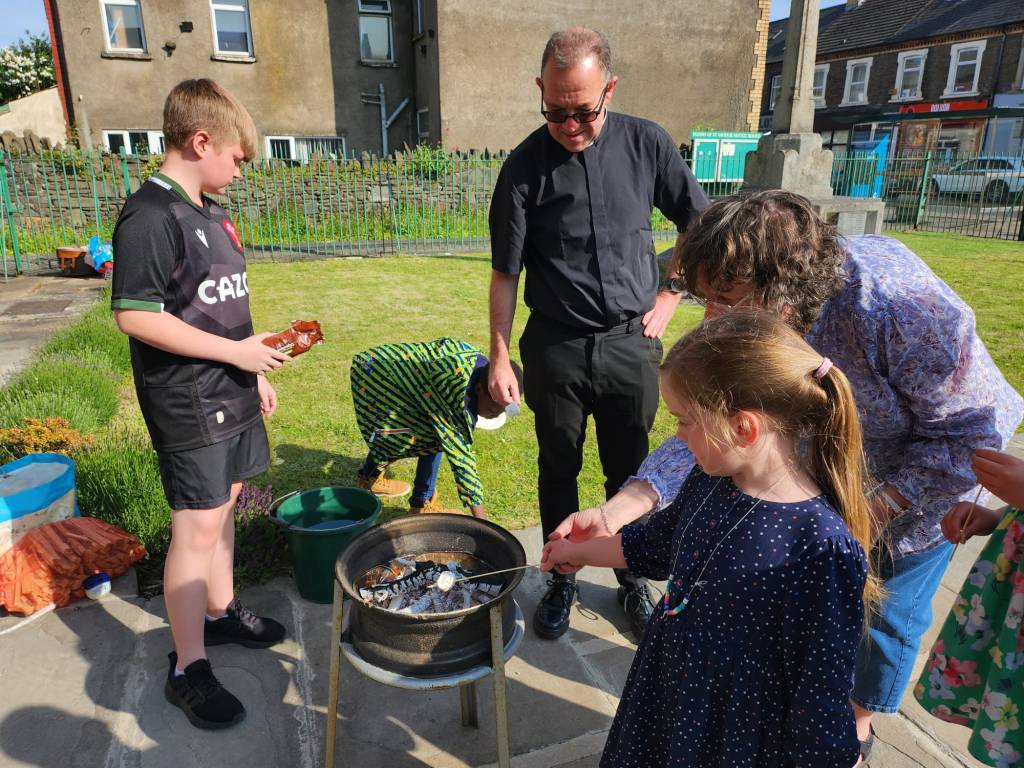
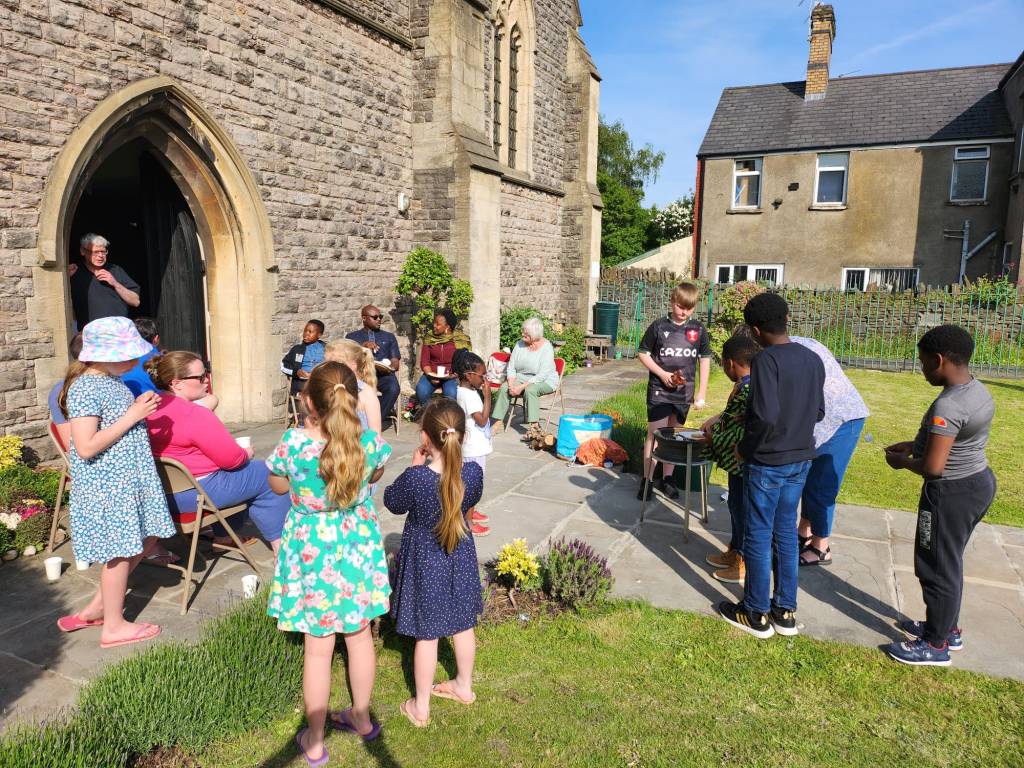
Some started to arrive before the pizza did, but the sun was shining so we spilled outdoors where a fire was already kindled – but that was for dessert, toasted marshmallows squidged and squeezed between two chocolate digestives!
Toasting marshmallows in sunny Splott!
Bang on time, the pizza arrived, and we tucked in and enjoyed the sunshine which belted down on the gardens of St Saviour’s.
This was OMG! a time for young people to get together, enjoy each other’s company, share food, and worship together. Some of our young people had recently been baptised and many of them confirmed, and so this was a particularly special time to gather together.
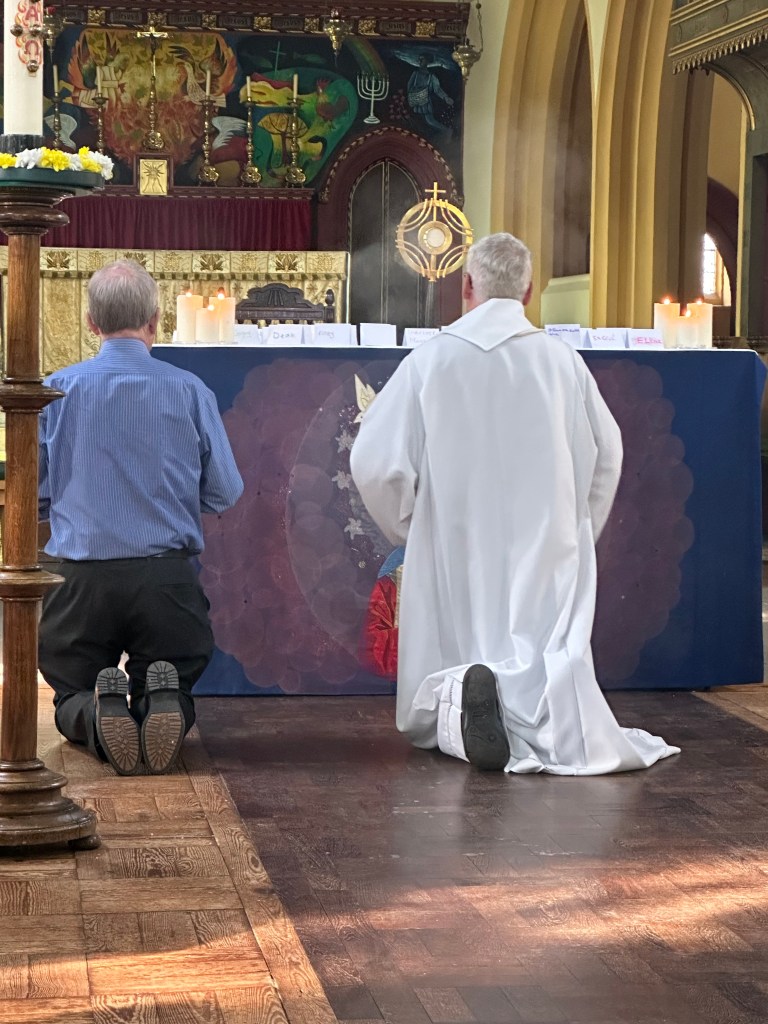
Following food we gathered inside at the altar table, a place common to each of us. We gather around it week by week to share food that feeds the body and the soul. We meet Jesus in so many different ways in our lives – through prayer and worship, in the Bible, through Creation, in love and service, in friendships and fellowship, but the Eucharist is the beating heart of all that we do.
This was a time spent in the presence of Jesus in the Blessed Sacrament, when we enjoyed that snapshot from the Mass when we are shown the Body of Christ. Now, we could spend a little more time appreciating the beauty of the gift that God gives us.
Mmmm, pizza!
We were invited to write our names on a place-name-card and place it on the altar to remind us that we are welcome, wanted, invited and called by Christ to his banquet, his breakfast, his meal. Each of us has a place at the table. Each of us is valued, loved and cherished by God.
We all have a place at the table
And then, there, in the midst of our names and our reserved places, the Blessed Sacrament was placed upon the altar and, after a time of prayer, we received a blessing.
We spent a little moment from the Mass
We had eaten and chilled out, sang songs and prayed. When we left the church, the sun was still shining.
We could still smell the embers of the dying fire which had toasted our marshmallows, squidged between two chocolate digestives.
But, above all, we had grown a little, moved on a bit, and discovered again the food which brings life, Jesus the Bread of Life. Food for Life.
Well, the fire was as popular as the pizza!
We’re looking forward to the next OMG! event for young people. Look out for news and updates or get in touch to find out more about our ministry with children and young people.
Welcome to a new edition of our newsletter, featuring news and updates from the churches of South Cardiff Ministry Area. Read about OMG! our new youth event, as well as the many pilgrimage opportunities on offer. There’s also a feature about our partnership with Cardiff Foodbank, and lots more!
There’s a reminder about our involvement in the Churches Unlocked Festival as well as Refugee Week, with an update from St Mary’s School about all that they are doing, as we work together! There’s so much going on! Why not get involved?!
OMG! It’s time for young people!
We’re looking forward to our first OMG! event on Sunday May 21st. It all kicks off with pizza at 5, and a fire pit in the gardens! Check out more in our OMG article!
Abundant Kindness
Check out how we went on a shopping trip with money that wasn’t ours for food that we wouldn’t be eating, as we explore our work in partnership with Cardiff Foodbank, and how you can be involved too!
Pilgrim People
Yay, it’s the pilgrimage season, and there are many opportunities to make pilgrimage from South Cardiff this year, near and far. Read on to find out more!
Christian Aid Week
There is still an opportunity this Sunday to contribute to Christian Aid week (14 -20 May) Envelopes are available in each church.
Your gifts this Christian Aid Week could help farmers in Malawi plant better seeds, secure a fairer price for the crops, and build happier futures for their children. You can find out more about Christian Aid Week here
St Saviour’s is taking part in the Churches Unlocked Festival alongside dozens of other churches.
You can find out more about all that’s on offer both at St Saviour’s and across the diocese of Llandaff and Monmouth at https://www.churchesunlocked.org/ and you can check out what St Saviour’s has on offer here
Refugee Week
Refugee Week is the world’s largest arts and culture festival celebrating the contributions, creativity and resilience of people seeking sanctuary
We’re all set for Refugee Week from June 19th – 26th with a full week of activities as we work alongside St Mary the Virgin Church in Wales Primary School. Find out more here:
Charity Coffee Morning
Each month, there’s a coffee morning at St Paul’s Church, Grangetown, with delicious cakes, good company, and a chance to raise money for a charitable cause.
Last month, we raised funds for PROP: Brain Injury Rehab, and next Saturday 27 May, we’re raising money for the Chair Appeal for St Saviour’s Church, Splott.
Daily Reflections
On most days, we publish a quick read based on the readings of the Mass of the Day. You can find these on the News section of our website. Discover more here
Worship for the week ahead
SUNDAY WORSHIPBUTETOWN:
S MARY THE VIRGIN
1100hrs Solemn Mass
GRANGETOWN:
S PAUL THE APOSTLE
0800hrs Said Eucharist
1030hrs Sung Eucharist
SS DYFRIG & SAMSON
0915hrs Solemn Mass
SPLOTT:
S SAVIOUR
0930hrs Sung Mass
MONDAY 22
Seventh Week of Eastertide
6pm Mass (S Mary’s)
7pm Mass (Ss Dyfrig and Samson)
TUESDAY 23
Sixth Week of Eastertide
10.00am Mass at (St Saviour’s)
7.00pm Mass (S Mary’s)
WEDNESDAY 24
Seventh Week of Eastertide
10.00am Holy Eucharist (S Paul’s)
11.00am Mass (St Mary’s)
THURSDAY 25
Seventh Week of Eastertide
9.30am Mass (Ss Dyfrig and Samson)
10am Mass (St Mary's)
5.45pm Mass (S Saviour’s)
(We’ve maintained this Mass this week because of the need of Foodbank volunteers to attend Mass on this day)
7.00pm Solemn Mass (St Mary’s)
FRIDAY 26
St Philip Neri, priest
10.00am Mass (S Mary’s)
SATURDAY 27
Seventh Week of Eastertide
11.00am Morning Prayer and Rosary
11.30am Mass (S Mary’s)
12 noon Sacrament of Reconciliation (Confession)
In the last year, Cardiff Foodbank distributed 52% more food parcels than the previous year. This morning, some of our congregation went on a little shopping trip!
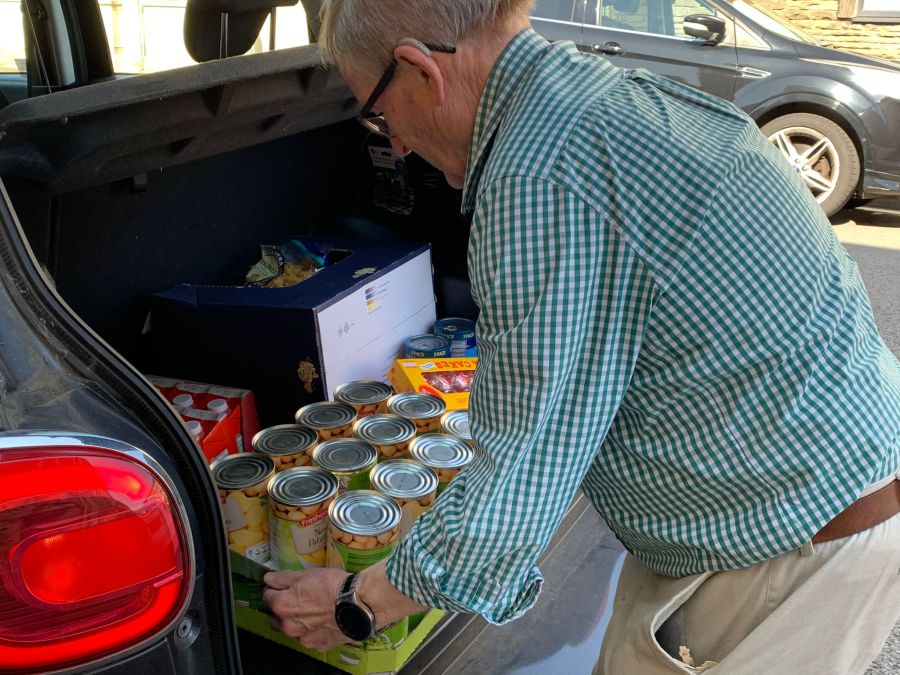
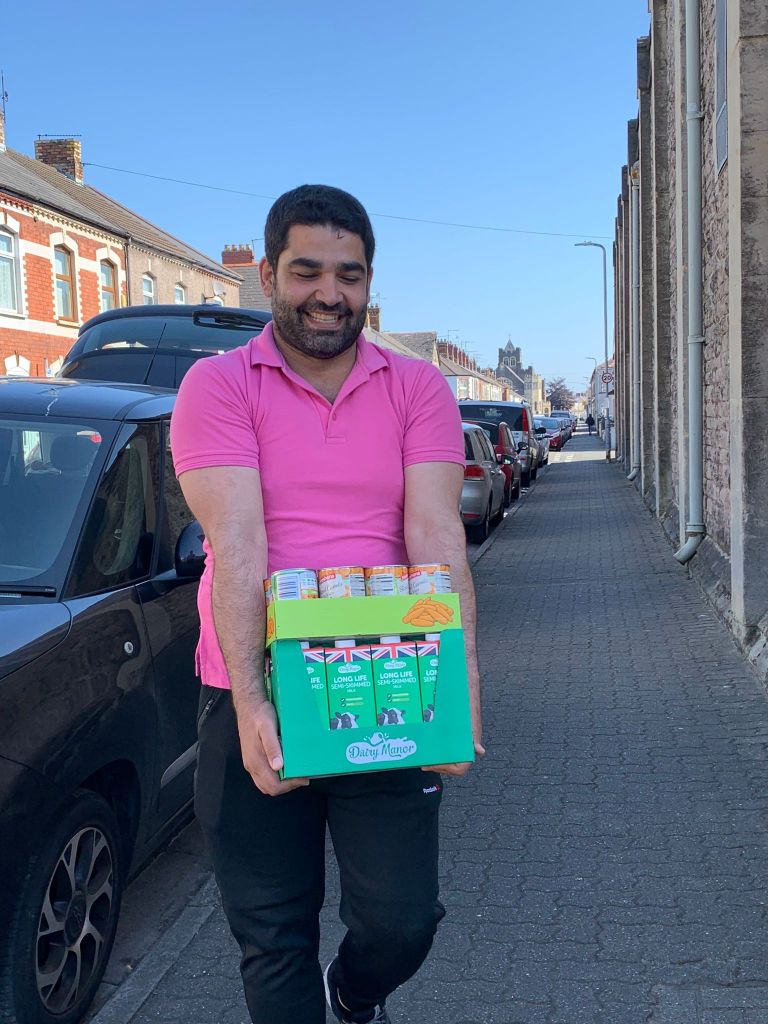
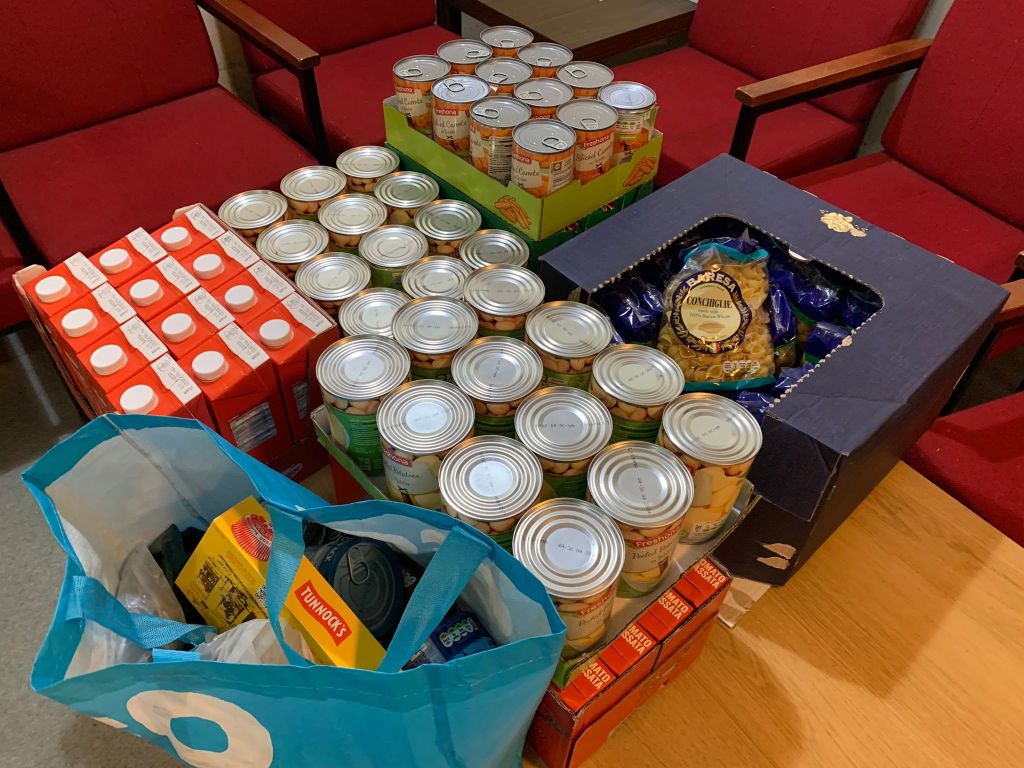
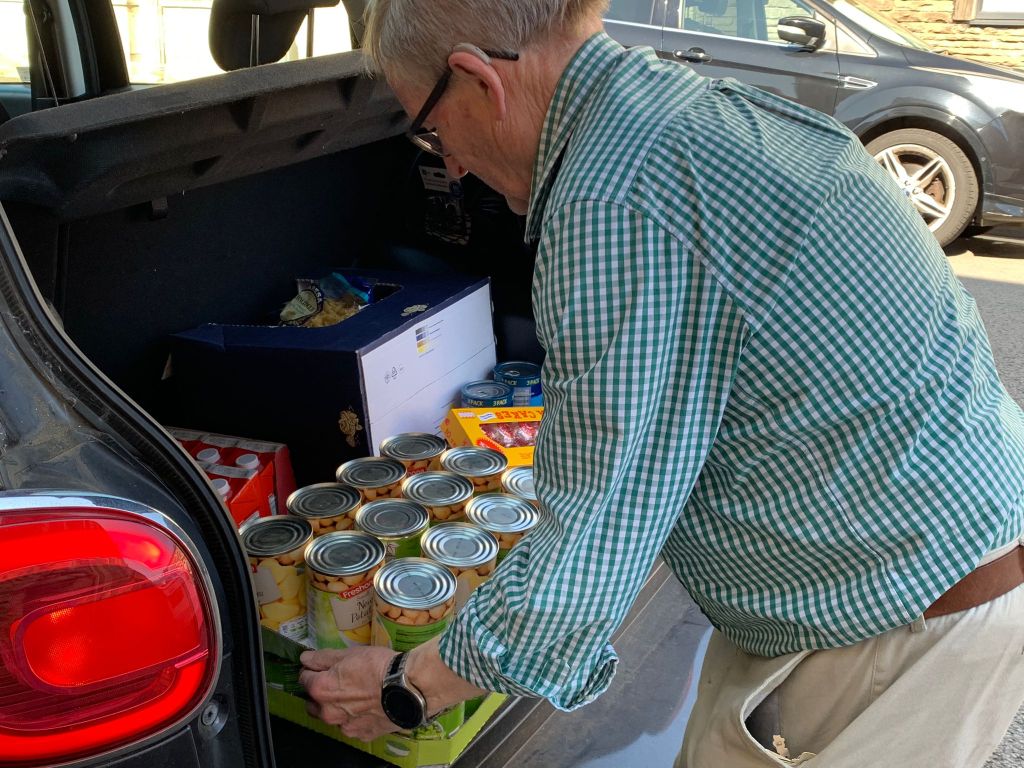
It’s early on a sunny May morning, and we’re off to the supermarket, cash in hand. Yes, we’ve got money to spend! It’s not our money, and we’re not buying anything for ourselves, for we’re financed by a generous donation for Cardiff Foodbank given by some members of our congregation. Potatoes and pasta, carrots and milk are lifted from the shelves by the tray full.
Since 2014, St Saviour’s Church in Splott has been one of Cardiff Foodbank’s Distribution Centres in Cardiff, and it was the first in Wales to offer an evening opening time aimed to help those work during the day.
There are two sessions, one on Wednesday afternoon and the other on Thursday evening and, like every Distribution Centre, they are staffed by a group of volunteers who give freely of their time.
Across the Churches of our Ministry Area, we also receive donated food each week , and despite the financial challenges that all of us face, people continue to generously donate items which then go to Foodbanks’ Warehouse before they are eventually distributed to the Distribution Centres across Cardiff.
You can check out the list of requited items – and what is in particular demand at the moment – at Cardiff Foodbank’s website
Cardiff Foodbank recently released their stats on the number of emergency food parcels within our local community between April 2022 and March 2023.
The figures reveal that they have provided 19,253 emergency food parcels to people who couldn’t afford the essentials in Cardiff over the last year – and 7,639 (40%) of these went to children.
It’s the most parcels ever distributed by Cardiff Foodbank in a single year and represents a 52% increase compared to last year.
But the Trussell Trust Foodbanks don’t just distribute parcels of food to people in crisis. They also work to tackle the reasons why so many people find themselves needing their help.
For example, food banks across the Trussell Trust network are calling for MPs across the UK to support a social security system that guarantees our essentials, by making sure that the basic rate of Universal Credit is at least enough to afford the essentials we all need to live.
And so, we arrive back at St Saviour’s, with a car full of food, and where we are met by more volunteers who are busy cleaning and preparing the church for the Churches Unlocked festival at the beginning of June, when we will open our doors for a whole week of celebrations.
Our churches are committed to tackling issues of social injustice, and this is just one way in which we work in partnership with others.
Donated items are delivered to Cardiff Foodbank’s warehouse for distribution across Cardiff
Despite the cost of living, soaring prices, increasing bills, and so many challenges and difficulties, kindness and generosity remain in abundant supply People continue to respond to the needs of others, give of their time and their money.
If you would like to donate food to Cardiff Foodbank, then you can do so at any of the churches in the Ministry Area. You can also find out more about volunteering roles as well as how to help tackle Food Poverty at Cardiff Foodbank’s website





 South Cardiff Ministry Area